
Add Row
Add Element
UPDATE
Add Element
 
  • Home
  • Categories
    • Wellness
    • Lifestyle
    • Health
    • Nutrition
    • Weight Loss
    • Hair Loss
    • Erectile Dysfunction
    • Exercise
July 22.2025
2 Minutes Read

Unlock the Wellness Benefits of Krill Oil for Weight Loss and Liver Health

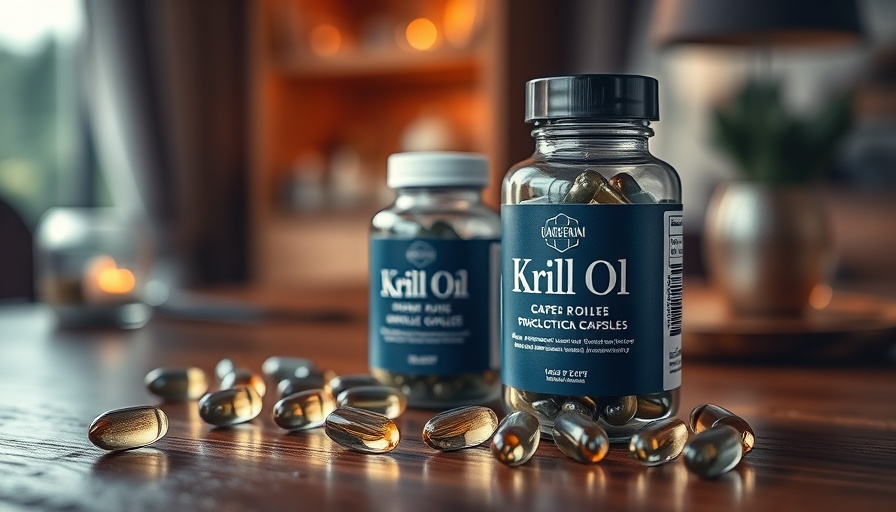
Elegant bottle of krill oil for weight loss and liver health

Killing Chronic Inflammation: The Role of Krill Oil in Fatty Liver and Obesity

Obesity often brings a host of health challenges, including fatty liver disease, which can lead to severe complications if left unchecked. Recent studies shed light on how krill oil, a supplement rich in omega-3 fatty acids, is emerging as a compelling support for those aiming to combat these issues. Notably, krill oil has shown promise in reducing inflammation, a crucial factor in both fatty liver and obesity.

How Omega-3 Fatty Acids Impact Liver Health

Krill oil is differing from fish oil not only in its source but also in its delivery of omega-3s. Studies reveal that the astaxanthin found in krill oil helps to protect the liver from oxidative stress, a condition often exacerbated by obesity. This could prove beneficial for those seeking how to live a balanced life by integrating effective dietary choices.

The Emotional and Physical Wellness Connection

Embracing wellness routines that work involves recognizing the intricate link between physical and emotional health. Research indicates that improving liver health can significantly enhance overall well-being. By incorporating supplements like krill oil into a personal wellness plan, individuals may not only witness physical transformation but also a boost in their mental clarity and emotional strength.

Transform Your Wellness Journey with Krill Oil

If you're one of the many navigating the path to weight loss, krill oil might be the additional support you need. Regular incorporation of krill oil may lead to a reduction in liver fat and inflammation, which is vital for better health outcomes. This aligns perfectly with adopting daily wellness habits that foster both emotional and physical wellness.

As you reflect on your health journey, consider the benefits of krill oil. With consistent use, paired with a balanced diet and active lifestyle, achieving your weight loss goals may be closer than you think. Don’t underestimate the power of small, thoughtful steps that contribute to your wellness journey.

Wellness

11 Views

0 Comments

Write A Comment

*
*
Please complete the captcha to submit your comment.
Related Posts All Posts
04.11.2026

Discover How Common Medications Can Harm Your Kidneys: Protect Your Wellness

Update Understanding Kidney Health: A Vital Aspect of Wellness When considering wellness tips for everyday life, maintaining kidney health often takes a backseat. However, understanding the medications that can harm your kidneys is essential for establishing a personal wellness plan. Many individuals, particularly those seeking to lose weight, may not realize the long-term effects certain drugs can have on their kidneys. The Dangers of Nephrotoxic Medications Nephrotoxic medications can strain your kidneys, impacting their ability to filter waste. Popular drugs such as nonsteroidal anti-inflammatory drugs (NSAIDs), diuretics, and certain antibiotics have been linked to kidney issues. For instance, ibuprofen and naproxen, commonly used for pain relief, can reduce blood flow to your kidneys, posing risks especially to those with preexisting conditions. According to leading studies, individuals particularly affected include the elderly or those on multiple prescriptions. Healthcare professionals suggest routinely reviewing medication lists to avoid potential interactions and side effects. Holistic Approaches to Protecting Your Kidneys To live a balanced life, incorporating daily wellness habits can make a difference. Staying hydrated, sticking to prescribed medication dosages, and discussing any changes with a healthcare provider are vital steps. Additionally, engaging in regular exercise and consuming a kidney-friendly diet rich in fruits, vegetables, and whole grains can substantially enhance kidney function. Understanding Symptoms: When to Act Awareness is key. Symptoms of kidney distress—such as changes in urine color or frequency and back pain—should not be ignored. If you experience any signs suggesting kidney issues, seeking professional advice is crucial to prevent further complications. Embracing a Wellness Lifestyle Adopting a wellness lifestyle includes being proactive about your kidney health. Monitoring your medications, staying informed about potential side effects, and practicing regular self-care can lead to improved emotional and physical wellness. Ultimately, understanding the medications that may harm your kidneys empowers you to make informed choices regarding your health. Taking action by discussing your medications with a healthcare professional can pave the way for a more balanced life and well-being.

04.10.2026

Heart Disease Mortality Decline: Embrace a Wellness Lifestyle Today

Update Understanding the Decline in American Heart Disease Mortality In recent years, American heart disease mortality has shown a notable decline. This trend offers a silver lining in the ongoing battle against a condition that has long been the leading cause of death in the United States. Heart disease, often linked to factors such as obesity, poor diet, and sedentary lifestyles, is declining as people increasingly adopt healthier habits. Daily Wellness Habits Making a Difference One significant contributor to this decline is the incorporation of daily wellness habits into people's lives. From better dietary choices to regular physical activity, individuals are taking proactive measures to improve their cardiovascular health. Simple strategies in daily wellness routines include prioritizing fruits, vegetables, and whole grains while minimizing processed foods, which can directly impact heart health. The Role of Emotional and Physical Wellness Furthermore, pursuing emotional and physical wellness is becoming a priority. Recognizing the interconnectedness of mental and physical health has led many to adopt what is referred to as a wellness lifestyle. This holistic approach often includes practices like meditation, yoga, or simply engaging in enjoyable activities that reduce stress and foster a sense of well-being. Self-Care and Creating a Personal Wellness Plan By creating a personal wellness plan, individuals empower themselves to make lasting changes. These plans can highlight specific objectives, from losing weight to improving overall health. Incorporating self-care into daily routines not only boosts heart health but fosters a balanced life that encourages longevity. Conclusion: The Future of Heart Disease Rates While heart disease still poses significant challenges, the decline in mortality rates reflects a shift towards healthier lifestyles and better awareness. As more people embrace wellness tips and routines that work, we can hope to see these positive trends continue. For anyone looking to lead a healthier life, now is the perfect time to take stock of your habits and make those crucial changes that lead to emotional and physical wellness.

04.09.2026

Unexpected Airborne Toxin Detection in Oklahoma: Implications for Wellness

Update Breakthrough Discovery of Airborne Toxins in Oklahoma In a surprising development, scientists at the University of Colorado Boulder have detected a new type of airborne toxin in the atmosphere of rural Oklahoma, marking the first-ever identification of Medium Chain Chlorinated Paraffins (MCCPs) in the Western Hemisphere. This discovery was made during a study aiming to understand aerosol particle formation, when researchers stumbled upon these toxic organic pollutants previously noted only in regions like Antarctica and Asia. Lead researcher Daniel Katz expressed excitement over the unanticipated find, indicating the need for more research on this compound. The Origins of MCCPs: From Industrial Use to Airborne Contaminants MCCPs, utilized in various industries—ranging from metalworking fluids to PVC manufacturing—often make their way into the environment through wastewater and biosolid fertilizer, which contains processed human waste. When applied to agricultural fields, these toxic chemicals can contaminate the air, posing potential health risks to humans and wildlife. Interestingly, while similar pollutants (Short Chain Chlorinated Paraffins or SCCPs) have been tightly regulated, the attempt to control SCCPs may have unintentionally led to increased levels of MCCPs. The Urgency for Monitoring and Regulation As MCCPs gain recognition, experts emphasize the critical need for regulatory agencies to assess their presence in the atmosphere. Although their long-term health impacts remain unclear, preliminary data suggests significant risks. This scenario prompts a larger conversation about toxic chemicals and their effects, paralleling discussions on wellness and environmental health. Individuals are encouraged to develop personal wellness plans that incorporate awareness of such contaminants and take action where possible, facilitating a lifestyle that promotes both emotional and physical wellness. Wellness in the Environment: A Personal Responsibility This finding serves as a reminder of the interconnectedness of our health and environment. By minimizing exposure to airborne toxins and adopting daily wellness habits—like reducing chemical use and focusing on self-care—you contribute to a healthier lifestyle. Awareness of these toxins can lead to better choices in personal wellness routines, promoting an environment that nurtures both mental and physical health. The Path Forward: Community Awareness and Action In light of this discovery, community leaders and environmental health advocates are encouraged to shed light on the implications of airborne toxins. This can pave the way for enhanced public health initiatives and educational campaigns directed towards understanding and mitigating exposure risks. Ultimately, it’s integrated approaches—whether through thorough government regulation or engaged community action—that will effectively tackle the challenges posed by newly identified pollutants like MCCPs.

Terms of Service

Privacy Policy

Core Modal Title

Sorry, no results found

You Might Find These Articles Interesting

T
Please Check Your Email
We Will Be Following Up Shortly
*
*
*