
Add Row
Add Element
UPDATE
Add Element
 
  • Home
  • Categories
    • Wellness
    • Lifestyle
    • Health
    • Nutrition
    • Weight Loss
    • Hair Loss
    • Erectile Dysfunction
    • Exercise
August 18.2025
2 Minutes Read

Two-Inch Eyebrow Hair: A Fun Insight into Aging and Hair Growth

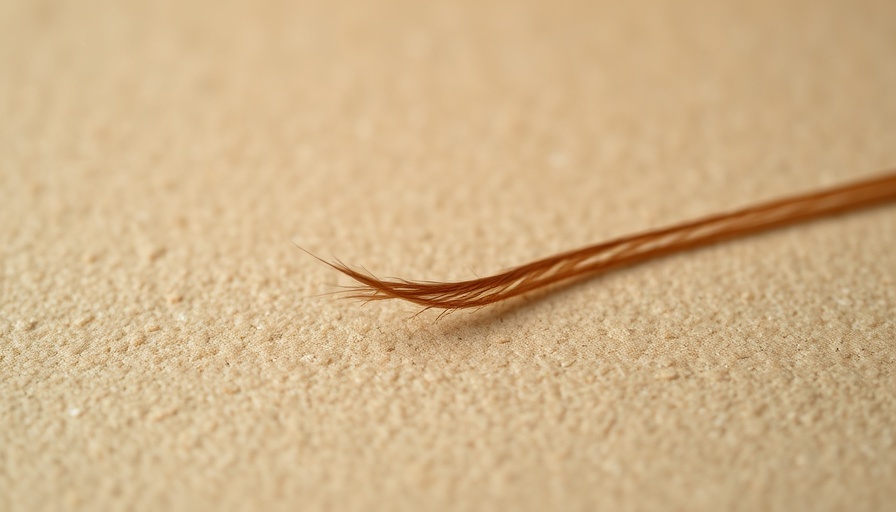
Close-up of a single hair on beige textured surface

The Unexpected Journey of Eyebrow Hair Growth

It’s not every day that you notice a peculiar phenomenon like a two-inch eyebrow hair, yet for many, this oddity is a common sign of aging. As we transition into our 40s and beyond, our bodies undergo various changes that extend beyond age lines and gray hairs. For some, like myself, it manifests through eyebrow hairs that grow longer and sometimes more asymmetrically than we remembered. This marks a significant shift in our hair growth cycle, influenced by genetics and hormonal changes.

The Science Behind Hair Growth

One might wonder, why do certain hairs grow longer while others appear less plentiful? The key lies in understanding the anagen phase—the growth cycle that varies across different types of hair. Eyebrow hairs typically have a shorter anagen duration of just 1-2 months, compared to scalp hair, which can thrive for up to 6 years. In my experience, however, it seems my eyebrow strands are pushing their limits, amusingly increasing in length as time goes on.

Genetics and Aging Factors

It’s essential to acknowledge that while factors like meditation or a low-dose oral medication may impact hair density, genetics fundamentally dictates hair behavior. Interestingly, I've observed men with excessive body hair often experience more significant hair loss. This correlation could suggest that testosterone levels, which influence body hair growth, also play a role in the onset of balding.

Unveiling Record-Setting Hair Lengths

For those intrigued by lengths, the Guinness World Records holds fascinating facts about hair growth. Take for instance Zheng Shusen, who set the record for longest eyebrow hair at 7.5 inches! Such records reflect not only the diversity of human anatomy but also the peculiarities of what we perceive as “normal” in body hair growth.

Reflecting on Personal Experiences

This journey through my eyebrow hair observations serves as a light-hearted reminder that as we age, our bodies tell stories of both triumphs and quirks. Whether it’s long eyebrows or unexpected ear hair, embracing these changes can foster a more positive relationship with aging.

What Can We Learn?

The changes we experience as we age offer insights into our health. Some may choose to explore various hair loss treatments or hair regrowth products to maintain their look. Understanding these developments not only helps make informed decisions about hair care but also empowers us in our health journeys.

Hair Loss

19 Views

0 Comments

Write A Comment

*
*
Related Posts All Posts
12.31.2025

Tackle Flaky Scalp With The 14 Best Dandruff Shampoos of 2026

Update Say Goodbye to Dandruff: The 14 Best Shampoos of 2026 Dealing with a flaking, itchy scalp can be frustrating, but finding the right dandruff shampoo could be your solution. In 2026, there are more choices than ever, ranging from effective drugs to natural ingredients. Let’s dive into the best dandruff shampoos that are recommended by dermatologists. Why Dandruff Matters Dandruff is not just an aesthetic concern; it often indicates underlying scalp issues such as inflammation or fungal infections. Losing hair can be an emotional burden, especially since an inflamed scalp can also hinder hair growth. Experts argue that treating dandruff can not only clear your scalp of flakes but may also support healthier hair. The Top 14 Dandruff Shampoos Here are the leading options to consider for anyone troubled by dandruff: Nizoral Shampoo: Known for its active ingredient, ketoconazole, this shampoo combats the fungi causing scalp issues while promoting hair health. Amazon Basics Anti-Dandruff: An affordable option containing coal tar that controls itching and flaking. Head & Shoulders Clinical Strength: Features selenium sulfide that helps manage severe dandruff effectively. Jason Natural: Combines sulfur and salicylic acid for dual-action against flakes and scalp irritation. Head & Shoulders Classic Clean: A trusted brand focusing on zinc pyrithione, targeting dandruff at the source. Selsun Blue: Contains selenium sulfide effective in treating scalp dryness and irritation. Pura D’or: This shampoo represents a blend of ketoconazole and coal tar, offering comprehensive anti-dandruff benefits. Dove DermaCare: Zinc pyrithione is also a star in this formula, creating a soothing experience for irritated scalps. Nioxin Scalp Recovery: A pioneering product that employs salicylic acid to dissolve flakes and promote scalp health. Paul Mitchell Tea Tree: The tea tree oil instills a refreshing cleanse while battling dandruff. OUAI Anti-Dandruff: Balances salicylic acid with other scalp friendly ingredients. Sachajuan Scalp Shampoo: Focusing on piroctone olamine, it offers a solution to persistent flakes. Mizani Scalp Care: Cleanse and hydrate the scalp with zinc pyrithione for better overall results. Vanicream Free & Clear: An unmedicated option using zinc pyrithione, ideal for sensitive skin. Consider this list but remember, it is essential to find the product that aligns with your scalp condition and hair type. Whether you experience scalp psoriasis or typical dandruff, there’s a tailored solution waiting for you!

12.29.2025

Discover Hope: Partially Bald Scalp Areas Retain Progenitor Cells Critical for Hair Growth

Update Why Partially Bald Regions Matter For many individuals facing hair loss, the news might feel overwhelmingly grim. However, a new study conducted in India has shed light on an essential aspect of hair health—partially bald regions of the scalp can still retain active progenitor cells necessary for hair growth. This breakthrough may unlock new pathways for effective hair loss treatments. The Science Behind Hair Loss At the heart of the study is the distinction between two critical types of cells in hair follicles—stem cells and progenitor cells. While it was previously established that individuals with androgenic alopecia (AGA) retain stem cells, their transformation into active progenitor cells drastically decreases in fully bald areas. In the recent study, researchers found that the proportion of progenitor cells marked by CD34 and Sox9 in partially bald regions remains relatively intact, compared to fully bald areas. Hope on the Horizon for Hair Loss Treatments This discovery is particularly encouraging for those who haven’t reached the severe stages of baldness. Current treatments aimed at hair regrowth, such as Breezula and PP405, could potentially be more effective when focusing on areas of the scalp that still possess these progenitor cells, ensuring a greater likelihood of stimulating hair regrowth in less affected regions. Embracing Change with Positive Mindset It's natural to feel disheartened by hair loss, yet understanding the remarkable resilience of our bodies can inspire a more hopeful outlook. Many still hold the capacity for hair regrowth, and embracing treatments that leverage existing hair health can empower individuals to take proactive steps in their hair care journey. Consider Exploring Your Options If you’re noticing hair thinning or loss, you’re not alone. Many individuals seek solutions, wrestling with what can feel like a personal crisis. Knowing that partially bald areas might hold the key could signal a time for exploration of the latest hair restoration therapies. Consulting with a hair loss clinic near you can provide tailored advice, addressing the unique aspects of your experience professionally and compassionately.

12.20.2025

South Korea's President Lee Advocates for Health Insurance to Cover Hair Loss Treatments

Update A Bold Proposal for Hair Loss Treatment CoverageIn a move that has captured the attention of millions, South Korea’s President Lee Jae Myung has once again put hair loss treatment at the forefront of health discussions. Since his initial proposal during his 2022 campaign, the idea that public health insurance should cover treatments for the approximately 10 million South Koreans experiencing hair loss has gained traction.A Matter of SurvivalPresident Lee emphasized on multiple occasions that hair loss is not merely a cosmetic issue, particularly for the younger population. He argues it has evolved into a "matter of survival," impacting self-esteem and social standing. This perspective resonates with many, especially in a culture where appearance can significantly influence one's opportunities in life.Health Professional PerspectivesWhile many hair loss sufferers have rallied behind this initiative, health professionals have voiced concerns. Currently, treatments for hereditary hair loss are typically classified as non-essential, meaning they are not covered by the national insurance. This raises questions: Is it time to redefine hereditary hair loss as a legitimate medical concern?Progress in Treatment OptionsSouth Korea is renowned for its advancements in hair restoration therapies, including stem cell treatments and hair multiplication techniques. These innovations align with President Lee's initiative, suggesting that expanding insurance coverage could enhance access to the latest solutions. Despite ongoing skepticism regarding the feasibility of financing such treatments through a deficit-ridden health insurance system, many believe that less invasive options, like PRP treatments and laser hair devices, might soon be covered.The Broader ImplicationsLooking ahead, the potential inclusion of hair loss treatments in public health insurance could set a precedent for covering other cosmetic procedures, presenting ethical and financial dilemmas. If baldness is deemed a survival issue, where does this leave other conditions, such as obesity or aging-related treatments?As the debate unfolds, it's evident that this story touches on deeper themes of societal norms, self-image, and health policy. In a world where not only the looks but self-confidence can drive individual success, rethinking how we approach health insurance for aesthetic conditions may be necessary.Join the Conversation!Hair loss treatment has become a hot topic, not just for those personally affected, but for anyone interested in the evolving landscape of healthcare policies. Engage in discussions on social media, speak with local health professionals, and explore the latest in hair regrowth solutions. It’s time to challenge the perception of appearance and health in our society.

Terms of Service

Privacy Policy

Core Modal Title

Sorry, no results found

You Might Find These Articles Interesting

T
Please Check Your Email
We Will Be Following Up Shortly
*
*
*