
UPDATE
 
  • Home
  • Categories
    • Wellness
    • Lifestyle
    • Health
    • Nutrition
    • Weight Loss
    • Hair Loss
    • Erectile Dysfunction
    • Exercise
August 28.2025
2 Minutes Read

Discover How Vitamin K Can Lower Fatty Liver Mortality Risk Today!

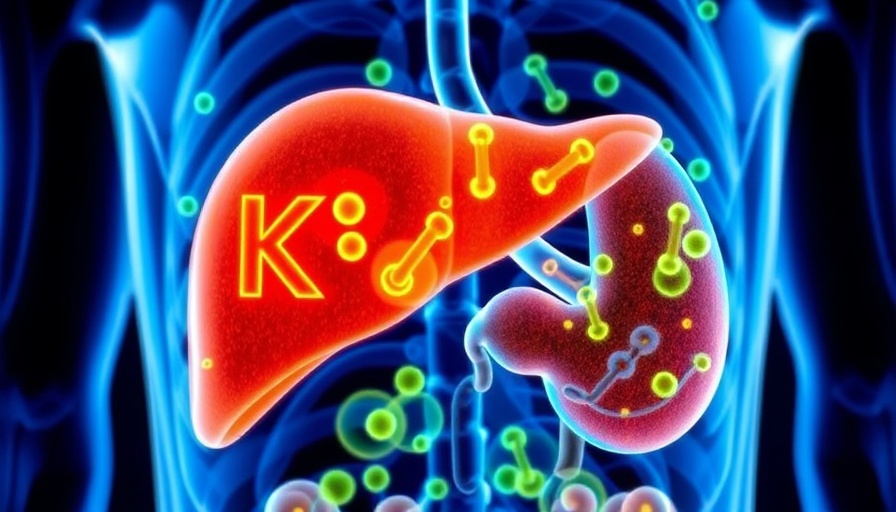
Vitamin K Helps Lower Mortality Risk in People with Fatty Liver Disease

Vitamin K: A Powerful Ally Against Fatty Liver Disease

For those striving to shed extra pounds and improve their overall health, the role of nutrition cannot be overstated. Emerging research highlights the significant impact of vitamin K on individuals suffering from fatty liver disease, a condition often correlated with obesity and an unhealthy lifestyle. Studies suggest that adequate intake of this vital nutrient may lower mortality risk among affected individuals, bolstering the case for integrating more vitamin K-rich foods into your diet.

The Connection Between Fatty Liver Disease and Vitamin K

Fatty liver disease, which arises when excess fat builds up in the liver, can lead to serious complications like liver cirrhosis and cardiovascular issues. Recent findings indicate that vitamin K supports liver health by controlling inflammation and improving fatty acid metabolism. This is particularly essential for those seeking to live a balanced life and manage their weight through healthier eating habits.

How to Integrate More Vitamin K into Your Daily Routine

Incorporating vitamin K into your diet is simpler than you might think. Leafy greens such as spinach, kale, and Swiss chard are excellent sources. Beyond just the nutritional value, adopting wellness habits centered around these foods can invigorate your self-care and wellness journey. Consider crafting a personal wellness plan that prioritizes meals featuring these greens as a regular element.

Emotional and Physical Wellness: The Bigger Picture

The benefits of a wellness lifestyle are multifaceted, often leading to improved emotional and physical health. As you focus on a balanced diet, remember that supporting your liver through dietary choices ultimately contributes to your overall well-being. Wellness routines that work often include integrating nutrient-rich foods alongside regular physical activity—a combination that can lead to lasting health improvements.

In conclusion, vitamin K plays a pivotal role in managing fatty liver disease and enhancing wellness. If you haven’t already, consider revisiting your diet to incorporate these beneficial foods. Remember, taking small steps can lead to significant changes in your health journey!

Wellness

11 Views

0 Comments

Write A Comment

*
*
Please complete the captcha to submit your comment.
Related Posts All Posts
05.26.2026

Stronger Slow-Wave Sleep: The Key to Regulating Anxiety in Older Adults

Update The Crucial Role of Slow-Wave Sleep in Managing Anxiety For many older adults, a good night's sleep is not just a luxury but a necessity for emotional and physical wellness. Recent research from the Center for BrainHealth reveals that deep sleep, specifically slow-wave sleep, is vital for regulating anxiety levels. The study shows that older adults who experience stronger slow-wave sleep tend to wake up feeling less anxious, indicating that the quality of sleep can significantly impact mental health. Understanding Slow-Wave Sleep Slow-wave sleep consists of large, rolling brain oscillations that occur during deep non-REM sleep. In their findings published in Nature Communications Psychology, researchers discovered a direct link between the amount of slow-wave activity and anxiety levels in older adults. Essentially, those with fewer slow-wave sleep episodes tend to wake up with heightened anxiety. This suggests that ensuring better sleep could provide a new avenue for managing anxiety symptoms, making it an essential routine for wellness. Implications for Mental Well-being Anxiety disorders are alarmingly common among adults over 60, yet they often go untreated compared to more recognized issues like dementia. The implications of unmanaged anxiety in later life are serious— it can accelerate cognitive decline and increase dementia risks. The research indicates that sleep quality plays a more pivotal role than previously thought. By focusing on improving slow-wave sleep, individuals might not just enhance their sleep but also reduce anxiety effectively. Practical Tips for Enhancing Slow-Wave Sleep To incorporate these insights into daily routines, consider these wellness tips for everyday life: Establish a regular sleep schedule: Going to bed and waking up at the same time every day can enhance sleep quality. Create a calming pre-sleep routine: Engage in activities that promote relaxation, such as reading or meditating. Avoid screens before bed: Reducing screen time an hour before sleep can help promote deeper sleep. Mind your diet: A balanced diet rich in omega-3 fatty acids and antioxidants could support overall brain health and sleep quality. Embracing these daily wellness habits can lead to better sleep and improved emotional resilience, paving the way to a balanced life. Embrace a Holistic Approach to Wellness Prioritizing slow-wave sleep is not just about tackling anxiety but an overall wellness lifestyle. Creating a personal wellness plan that includes good sleep hygiene can yield transformative results in emotional and physical health—enhancing quality of life as we age. As sleep is a modifiable factor, focusing on this can offer hope for those experiencing anxiety.

05.25.2026

C15:0 and Brain Aging: Insights from Bottlenose Dolphins on Cognitive Health

Update Unlocking Secrets to Cognitive Health Through Bottlenose Dolphins and C15:0 Research suggests that pentadecanoic acid (C15:0), found in dairy, may hold the key to enhancing cognitive health, with parallels drawn from studies of bottlenose dolphins. These marine mammals exhibit age-related changes similar to Alzheimer’s Disease (AD), bringing attention to how fatty acids can influence brain function. Understanding C15:0: A Unique Fatty Acid Pentadecanoic acid, an odd-chain saturated fatty acid, is gaining attention for its potential role in healthspan and cognitive function. Studies highlight that individuals with higher levels of C15:0 have better metabolic health and reduced risks of diabetes and cardiovascular diseases, which can also be linked to brain health. In dolphins, the connection between C15:0 and cognitive function is reinforced by evidence that increased dietary intake leads to improved cardiometabolic markers. Dolphins' Cognitive Health: A Model for Humans Bottlenose dolphins, known for their intelligence, have been found to develop amyloid-beta plaques in their brains as they age, similar to humans with AD. These plaques are associated with neuroinflammation and cognitive decline. Remarkably, dietary supplementation of C15:0 in dolphins correlated with enhanced cognitive scores and lower plaque density, implicating C15:0 as a potential protective agent against cognitive degeneration. The Science Behind Cognitive Benefits of C15:0 C15:0 functions through multiple mechanisms to bolster brain health. It activates AMPK, which is essential for cellular energy regulation and has been shown to promote metabolic health. Additionally, it acts as an anti-inflammatory agent, mitigating neuroinflammation, a crucial contributor to Alzheimer’s pathology. The fatty acid’s role as a dual PPARα/δ agonist further supports its potential in cognitive health enhancement. Future Implications and Practical Wellness Tips As the research progresses, understanding the implications of C15:0 in our diets may lead to revolutionary approaches to cognitive wellness. Incorporating sources of C15:0, such as dairy products, into daily diets can be a simple yet impactful step for individuals seeking to bolster their cognitive health. This aligns with broader wellness habits that emphasize a balanced life, mindful eating, and nurturing our physical and emotional wellbeing. For individuals interested in enhancing their healthspan and cognitive capabilities, adopting wellness tips like including C15:0 sources into your diet, regular exercise, and stress management techniques will support your overall wellness lifestyle. Conclusion: The Promise of C15:0 for Cognitive Health The findings linking C15:0 with cognitive health in both dolphins and humans suggest this fatty acid could be a vital component of a balanced wellness routine. As we further explore the benefits of C15:0, integrating it into our diets may offer a proactive approach to aging gracefully and maintaining optimal cognitive function.

05.25.2026

How GLP-1 Medications Impact Mood: Wellness Tips for Weight Loss Seekers

Update Understanding GLP-1 Medications and MoodAs weight loss medications like GLP-1 receptor agonists gain popularity, it's essential to understand their multifaceted impact on our mental wellness. These drugs effectively suppress appetite by mimicking hormones that regulate hunger, but their effects aren't all positive. Studies have shown they can alter brain chemistry and affect mood, sometimes leading to increased anxiety or depressive symptoms in users. Despite the mixed outcomes, many find that their mood improves alongside significant weight loss.The Importance of Emotional and Physical WellnessWhen embarking on a weight loss journey, emotional and physical wellness must go hand in hand. While GLP-1 medications help to curb cravings, they can also lead to feelings of anxiety or irritability. Developing a personal wellness plan that includes mental health support, such as therapy, can ensure users are better prepared emotionally while adjusting to their new weight and body image. Moreover, coupling these medications with lifestyle changes, like regular exercise and mindfulness practices, can enhance overall wellness, creating a balanced approach to weight loss.Wellness Tips for Everyday LifeCreating effective daily wellness habits can be transformative. For those taking GLP-1 medications, a solid routine can help manage potential mood swings. Incorporating practices such as regular exercise, quality sleep, and mindfulness can foster emotional stability. Additionally, connectivity with others—whether through support groups or friendships—can provide essential emotional backing during this pivotal journey.Taking the Next Steps Towards HealthIt’s clear that while GLP-1 medications can aid weight loss, understanding their psychological implications is crucial for sustaining long-term health. Before seeking these medications, consult with healthcare professionals to craft a personalized wellness routine. Emphasizing a holistic approach that integrates mental health support with physical wellness will foster a balanced lifestyle, helping you thrive, not just survive.

Terms of Service

Privacy Policy

Core Modal Title

Sorry, no results found

You Might Find These Articles Interesting

T
Please Check Your Email
We Will Be Following Up Shortly
*
*
*